

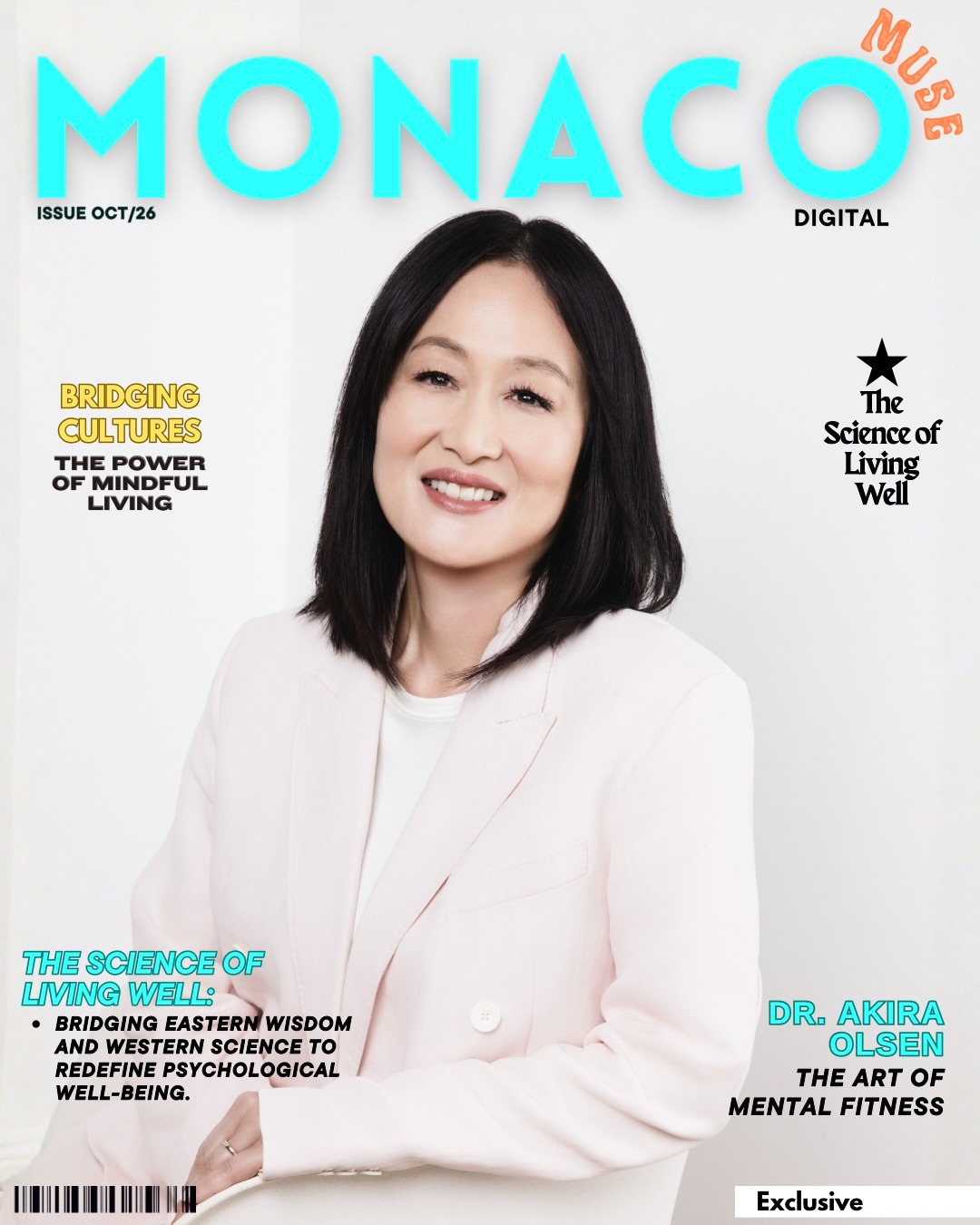

Bridging Japanese philosophy with contemporary psychological science, the California-based clinical psychologist, author, and founder of JOURNEY HEALTH is advancing a vision of mental wellness rooted in awareness, resilience, and the transformative power of everyday practice.
In an era defined by extraordinary technological progress, accelerating expectations, and an increasingly complex relationship with ourselves, the conversation surrounding mental health is undergoing a profound evolution. Beyond the traditional focus on psychological distress and clinical treatment, a new question is emerging: How can individuals cultivate the emotional and psychological capabilities needed not merely to cope with life, but to navigate it with greater clarity, purpose, and resilience?
For Dr. Akira D. Olsen, PsyD, EMBA, this question represents both a professional commitment and a deeply personal philosophy.
A Japanese-American clinical psychologist, author, entrepreneur, and mental fitness educator with more than two decades of experience, Dr. Olsen has dedicated her career to making psychological knowledge more accessible, culturally inclusive, and applicable to everyday life.
As Founder and Chief Executive Officer of JOURNEY HEALTH, she is championing an approach that places mental fitness alongside physical fitness as an essential dimension of lifelong well-being.
Her work reflects a distinctive intersection of Eastern philosophical traditions, Western psychological science, clinical expertise, and entrepreneurial vision.
Where Eastern Wisdom Meets Western Science
Long before establishing her professional career in the United States, Dr. Olsen developed an appreciation for the relationship between discipline, attention, and emotional balance while growing up in Tokyo, Japan.
Her experience practicing Kendo, the traditional Japanese martial art, helped shape her understanding of mental focus, perseverance, and the connection between psychological awareness and physical action.
These formative experiences would later influence her approach to contemporary psychology.

Now based in California’s San Francisco Bay Area, Dr. Olsen has built a career spanning clinical practice, community mental health, research, and higher education. Her professional background includes work at Stanford Medicine, as well as faculty and clinical supervision responsibilities at Palo Alto University and the Stanford PGSP Consortium.
Working across these environments reinforced a principle that continues to inform her philosophy: psychological knowledge becomes particularly meaningful when individuals can translate it into practical actions.
Rather than positioning Eastern traditions and Western science as opposing frameworks, Dr. Olsen explores how their complementary insights can contribute to a more comprehensive understanding of human well-being.
Mindfulness, acceptance, and disciplined attention can coexist with evidence-based psychological approaches, creating opportunities for individuals to strengthen their relationship with themselves and the world around them.
A New Perspective on Mental Fitness
The distinction between mental health and mental fitness lies at the heart of Dr. Olsen’s work.
While mental health care remains indispensable for individuals experiencing psychological difficulties, mental fitness introduces a complementary perspective—one focused on cultivating psychological skills before challenges become overwhelming.
Just as physical fitness develops through consistent movement and practice, mental fitness can involve intentional efforts to strengthen attention regulation, emotional awareness, self-compassion, resilience, and psychological flexibility.
This philosophy is central to JOURNEY HEALTH, the California-based initiative Dr. Olsen founded to bring together mental fitness education, mental health education, and clinical psychological services.
Its educational programs seek to translate psychological concepts into understandable, practical resources, while its clinical services address concerns such as anxiety, ADHD, trauma, stress, and family relationships through evidence-based approaches.
The broader ambition is to encourage a cultural shift: one in which psychological well-being is recognized not exclusively as a clinical concern, but also as a lifelong dimension of personal development.
Importantly, this perspective does not diminish the need for professional treatment. Instead, it expands the conversation to include the everyday practices that can support emotional awareness, healthier relationships, and adaptive responses to life’s uncertainties.
The Quiet Power of Small, Intentional Change
In a culture frequently captivated by dramatic reinvention and instant results, Dr. Olsen offers a more measured understanding of personal transformation.
Her book, The Journey to Self: Practical Exercises for Building a Positive Relationship with Yourself and Transforming Your Mental Health, published in 2025, examines how meaningful psychological growth can emerge through small, consistent actions.
Through practical exercises addressing mindfulness, self-awareness, gratitude, personal boundaries, and self-compassion, the book invites readers to reconsider how they relate to themselves.

Its underlying message challenges the notion that personal growth must be extraordinary to be meaningful.
Sometimes, progress begins with recognizing an emotional pattern, responding to a difficult moment with greater understanding, or making a conscious decision to direct attention toward what matters.
For Dr. Olsen, self-compassion is not synonymous with complacency. Rather, it represents the ability to acknowledge personal difficulties without allowing harsh self-judgment to define the experience.
This perspective extends throughout her literary work, including The Rise of an Anxious Society: Recognizing, Understanding and Treating Anxiety in Girls (2018), A Beginner’s Guide to Emotional Trauma (2019), and 97 Self-Care Tips for Healthcare Professionals (2024).
Together, these publications reflect an enduring commitment to psychological education that is both scientifically informed and approachable.
Recognition, Leadership, and International Influence
Dr. Olsen’s contributions to mental health education and psychological well-being have attracted recognition across professional and international media platforms.
In 2026, she received the Humanitarian of the Year distinction at the Influencer Magazine Awards, recognizing her contributions to compassionate psychological care and mental health education.
That same year, Global Healthcare Magazine featured her among The Most Visionary Mental Health Leaders of 2026, highlighting her professional perspective and approach to mental wellness.
Her work has also been profiled by UAE Times Magazine and Influencer Magazine UK, with coverage examining the intersection of culture, psychological science, and sustainable approaches to personal well-being.
Previously, in 2024, Dr. Olsen was recognized by Marquis Who’s Who for her contributions to mental health and wellness therapy.
Alongside these distinctions, she has participated in public conversations through radio and podcast interviews, including WNTN Radio, extending her educational work beyond traditional clinical and academic environments.
Yet the significance of her professional journey lies not simply in recognition, but in the broader accessibility of the ideas she continues to advance.
Psychological Well-Being in an Age of Artificial Intelligence
As artificial intelligence and digital technologies become increasingly integrated into everyday life, Dr. Olsen’s emphasis on attention and emotional awareness carries particular relevance.
Modern society offers unprecedented access to information, communication, and opportunity. At the same time, continuous digital engagement can make it more challenging to establish intentional boundaries around attention and personal time.
Within this changing environment, mental fitness offers a framework for cultivating the psychological flexibility needed to respond thoughtfully rather than react automatically.
Dr. Olsen’s philosophy encourages individuals to develop a more conscious relationship with their thoughts, emotions, habits, and technological environments.
The objective is not to eliminate uncertainty or emotional discomfort, but to build the skills necessary to navigate them constructively.
Her cross-cultural perspective also suggests that long-established practices of mindful attention and self-discipline may offer valuable complementary insights as society confronts new technological and psychological challenges.
The Relationship That Shapes Every Other Relationship
Perhaps the most compelling dimension of Dr. Olsen’s work is her emphasis on the relationship individuals develop with themselves.
Professional ambitions, family responsibilities, and social expectations often receive significant attention. Yet the internal relationship through which people interpret their experiences can remain comparatively overlooked.
Dr. Olsen believes that developing greater self-awareness and self-compassion can influence how individuals approach challenges, communicate with others, and make decisions aligned with their values.
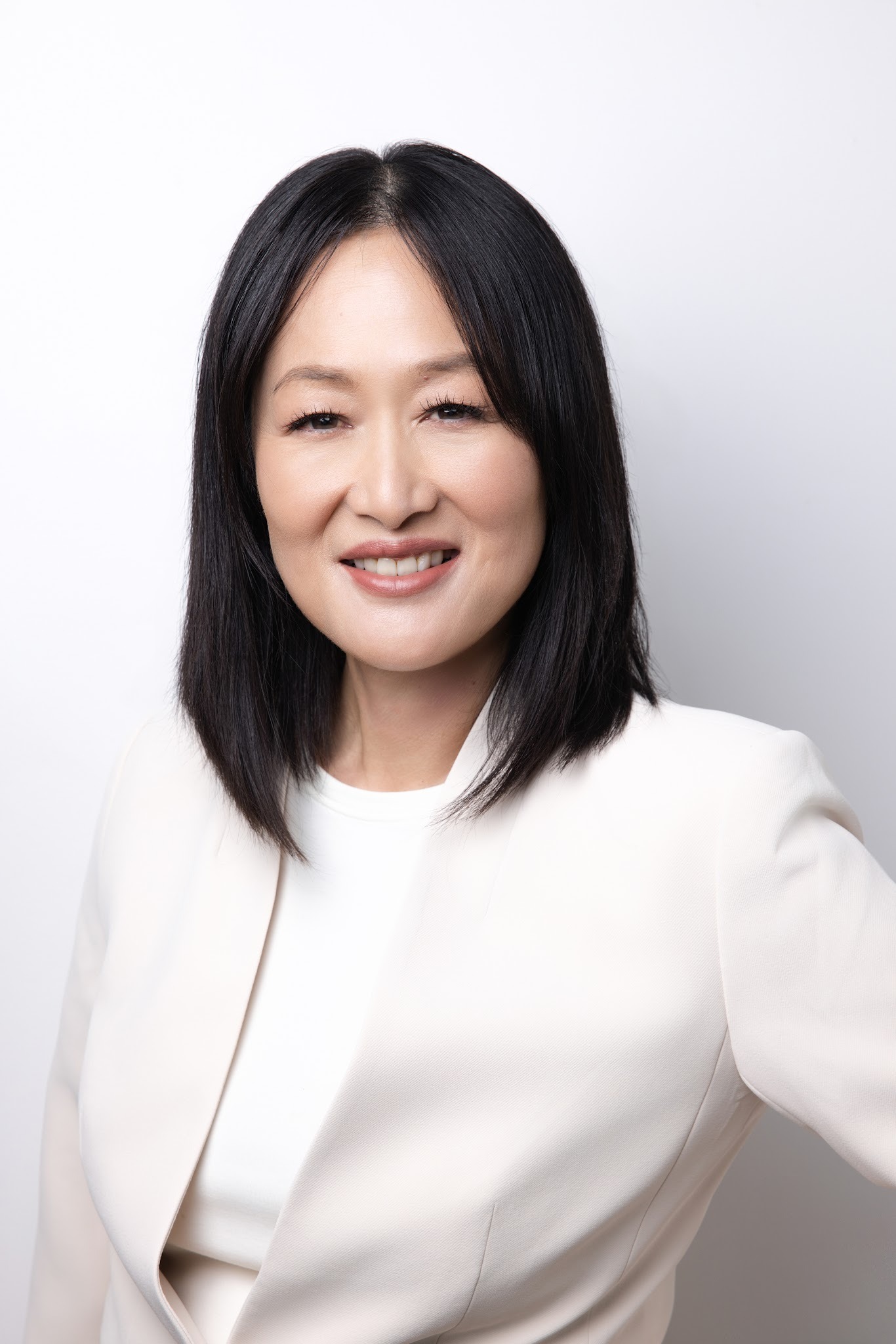
Reflecting on her career, she shares:
“Throughout my career as a psychologist, I have learned that mental health is not simply about overcoming emotional difficulties. It is also about developing the skills to live well.”
It is a perspective that moves beyond the language of achievement toward a more enduring understanding of personal well-being.
Through JOURNEY HEALTH, her books, and her educational initiatives, Dr. Olsen hopes to make these skills accessible to individuals across cultures, communities, and generations.
A Vision Beyond the Clinical Setting
From Tokyo to California, Dr. Akira Olsen’s journey illustrates how cultural experience, scientific inquiry, and compassionate leadership can converge around a shared purpose.
Her work does not promise a life without difficulty. Instead, it advocates for something more practical and potentially more enduring: the ability to meet life’s challenges with awareness, flexibility, and self-understanding.
As conversations about mental health continue to evolve, her vision invites a broader reconsideration of what it means to live well.
Because the future of psychological well-being may depend not only on how effectively society responds to mental health challenges, but also on how thoughtfully individuals are empowered to care for their minds throughout their lives.
And perhaps the most meaningful transformation begins not with changing who we are, but with changing how we understand and care for ourselves.
Official Website: drakira.com
JOURNEY HEALTH: journeyhealth.jp
Instagram: @drakira94111