

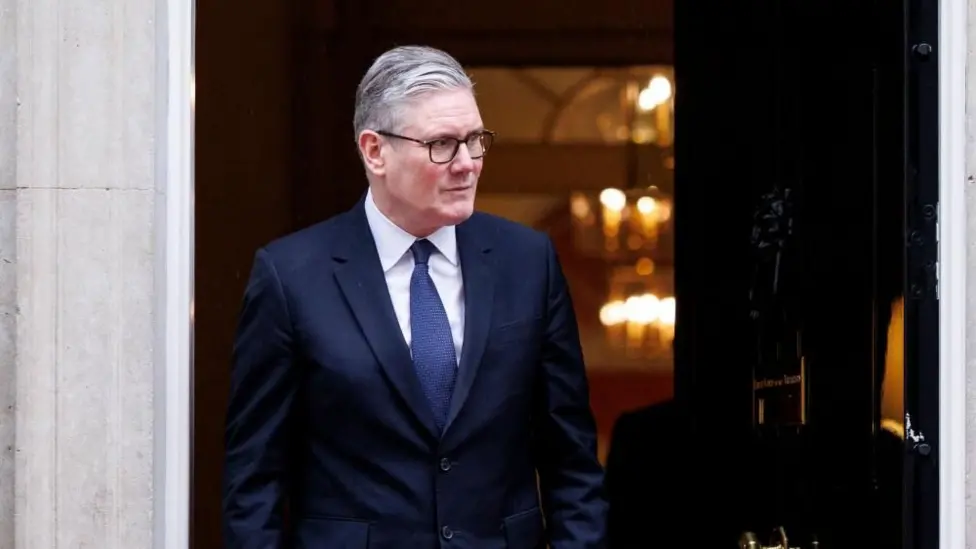

Scrapping plans to make digital ID mandatory for workers across the UK marks a dramatic retreat from one of Prime Minister Sir Keir Starmer’s flagship policy proposals announced last autumn. The decision represents a significant dilution of a reform that was once presented as central to the government’s vision for modernising the labour market.
The moment the policy first entered the public domain remains vivid. Sir Keir revealed his intentions during a conversation with me in September, as we took shelter from torrential rain in an exposed metal stairwell beside a colossal ship under construction at BAE Systems’ shipyard on the River Clyde in Glasgow
That announcement, however, was largely eclipsed by the political storm brewing around then Deputy Prime Minister Angela Rayner. Within 24 hours of that rain-soaked exchange, Rayner had been forced out of her role, shifting media attention away from Starmer’s digital ID ambitions and onto deepening turmoil within the government.
Now, with the mandatory digital ID proposal abandoned, critics argue the move underscores mounting pressure on the prime minister to soften controversial reforms, while supporters say it reflects a pragmatic response to public and political concerns over privacy, civil liberties, and workplace regulation.